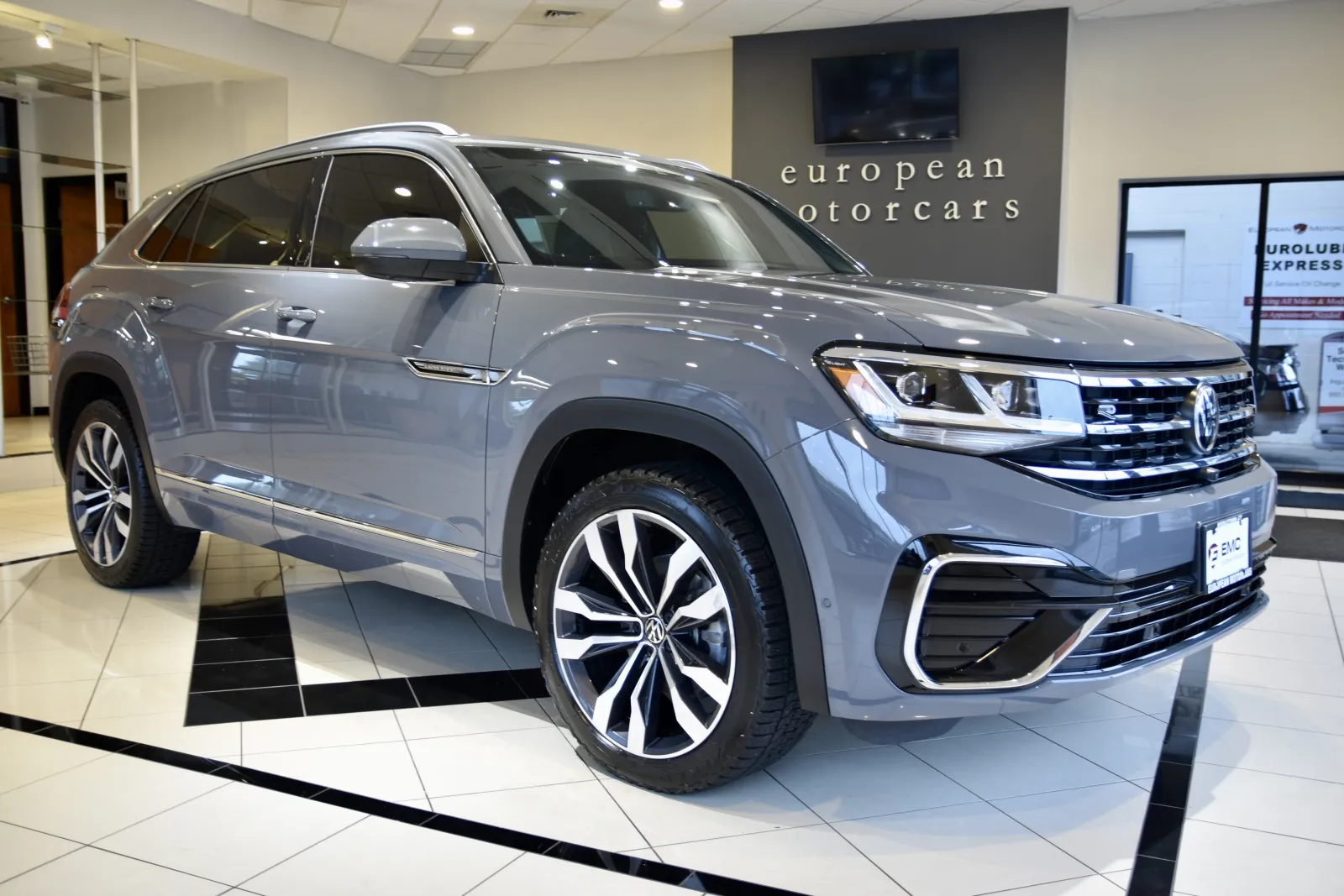
Best AWD Vehicles in Connecticut: Finding the Right Car for New England Winters
Table of Contents
Best AWD vehicles in Connecticut
Connecticut drivers know that weather conditions can change quickly. One day might bring cold, dry pavement, while the next delivers snow, slush, freezing rain, or icy roads. When shopping for your next vehicle, choosing the right drivetrain can make a meaningful difference in how your vehicle handles changing conditions.
That's one reason all-wheel drive (AWD) is a popular consideration among drivers throughout Connecticut.
From luxury sedans and performance cars to versatile SUVs, AWD-equipped vehicles offer a range of benefits for drivers who want additional traction in varying road conditions. However, not every AWD system works the same way, and the best vehicle for you depends on your driving habits, budget, and preferences.
At EMC, we help drivers explore their vehicle options and find a vehicle that fits their lifestyle. If you're searching for the best AWD vehicles in Connecticut, here's what to consider before making your next purchase.
Why All-Wheel Drive Is Popular in Connecticut
Connecticut's changing seasons create a variety of driving conditions. Winter can bring snow and icy pavement, while spring and fall often mean rain, wet roads, and fluctuating temperatures.
All-wheel drive can help address some of these challenges by distributing engine power to all four wheels when needed.
Depending on the vehicle and its AWD system, power may be delivered to the front and rear wheels continuously or adjusted automatically as traction conditions change.
Potential benefits include:
- Improved acceleration on slippery surfaces: AWD can help a vehicle get moving on snow-covered or wet roads when compared with a similar two-wheel-drive vehicle using otherwise comparable tires.
- Added confidence in changing conditions: AWD can be useful when road surfaces vary between dry pavement, rain, and snow.
- Greater vehicle selection: AWD is available in a wide variety of vehicles, including luxury sedans, sport sedans, crossovers, and SUVs.
- Versatility for everyday driving: Drivers who regularly travel between cities, suburbs, and rural areas may appreciate the additional traction AWD can provide.
It's important to understand that AWD is not a substitute for safe driving. It does not eliminate the risk of skidding, guarantee traction on ice, or automatically shorten stopping distances.
Your tires, speed, following distance, and driving habits remain critical factors in winter safety.
Best Types of AWD Vehicles for Connecticut Drivers
The best AWD vehicle depends on how you use your vehicle and what matters most to you.
Some drivers prioritize luxury and comfort, while others want additional cargo space, sporty handling, or versatility for family travel.
Here are several vehicle categories worth considering when shopping for an AWD vehicle in Connecticut.
1. AWD Luxury Sedans
For drivers who want a refined driving experience without moving to an SUV, an AWD luxury sedan can be an excellent option.
Luxury sedans often combine comfortable interiors, advanced technology, responsive handling, and sophisticated styling. AWD adds another consideration for drivers who regularly encounter wet or snow-covered roads.
When shopping for a luxury sedan, consider:
- Available AWD configurations.
- Ride comfort and handling characteristics.
- Driver-assistance and safety features.
- Interior space and technology.
- Tire availability and replacement costs.
- Routine maintenance and ownership expenses.
An AWD sedan can be particularly appealing to drivers who spend significant time commuting but prefer a lower driving position and more car-like handling than a traditional SUV.
2. AWD Sport Sedans
Drivers who enjoy performance-oriented vehicles may want to explore AWD sport sedans.
These vehicles can combine strong acceleration, responsive steering, and athletic handling with additional traction when accelerating on slippery pavement.
Depending on the model, performance-focused AWD systems may also vary how power is distributed between the wheels to support different driving characteristics.
However, performance vehicles often have specific tire, wheel, and maintenance requirements. Some use summer performance tires that are not suitable for cold-weather driving.
Before purchasing an AWD performance car for year-round Connecticut use, verify that the vehicle has an appropriate tire setup for the conditions in which you intend to drive it.
3. AWD Luxury SUVs
For drivers who need more passenger space, cargo capacity, or a higher seating position, a luxury SUV with AWD may be worth considering.
Many luxury SUVs combine all-weather traction capabilities with premium interiors, modern infotainment systems, and advanced driver-assistance features.
Depending on the model, additional advantages may include flexible seating arrangements, generous cargo space, and towing capability.
When comparing AWD SUVs, look beyond drivetrain configuration. Consider ground clearance, winter tire availability, fuel economy, cargo needs, and the vehicle's overall size.
A larger SUV may be ideal for one household but less convenient for another driver's daily commute or parking situation.
4. AWD Crossovers
AWD crossovers offer a balance between everyday practicality and the additional traction many Connecticut drivers want.
They typically provide more cargo flexibility than a sedan while remaining manageable for commuting, errands, and weekend travel.
Depending on the model, crossovers may offer:
- Flexible passenger and cargo space.
- A comfortable driving position.
- Available driver-assistance technologies.
- A range of engine and drivetrain options.
- Practical dimensions for everyday use.
For many households, an AWD crossover represents a useful middle ground between a traditional passenger car and a larger SUV.
What Makes an AWD System Good for Winter Driving?
Not all AWD systems are identical.
Some vehicles use systems designed primarily for everyday road driving, while others are engineered to support more demanding conditions or performance-oriented driving.
When comparing vehicles, consider how the AWD system operates and whether its characteristics match your needs.
Full-Time vs. On-Demand AWD
Some AWD systems can deliver power to both axles continuously, while others primarily operate in two-wheel drive and direct power to the other axle when additional traction is needed.
Some systems can also vary power distribution based on factors such as wheel slip, acceleration, steering input, and selected driving modes.
Neither approach is automatically best for every driver. The effectiveness of a system depends on its design, calibration, and the conditions in which the vehicle is driven.
Snow and Terrain Driving Modes
Certain vehicles offer selectable modes intended to optimize vehicle behavior for snow or other challenging surfaces.
Depending on the vehicle, these modes may adjust throttle response, transmission behavior, traction control, and AWD operation.
If you frequently drive on untreated roads or travel in areas that receive substantial snowfall, understanding these features may help you choose a vehicle that better suits your needs.
Ground Clearance
Ground clearance is another important consideration.
AWD can help a vehicle maintain traction, but it cannot prevent the underbody from contacting deep snow.
If your driving routinely involves unplowed roads or substantial snow accumulation, compare ground clearance alongside drivetrain capability.
For typical commuting on maintained Connecticut roads, a sedan or crossover with suitable tires may be entirely appropriate.
AWD vs. 4WD: Which Is Better for Connecticut?
AWD and four-wheel drive (4WD) are often discussed together, but they are not interchangeable terms.
AWD is commonly found in passenger cars, crossovers, and many SUVs. These systems are generally designed to operate automatically during everyday driving and help distribute power to the wheels that can use it.
4WD is commonly associated with trucks and certain SUVs designed for more demanding conditions. Some systems offer selectable operating modes, including low-range gearing for specific off-road situations.
For most Connecticut drivers who primarily travel on paved roads, AWD can be a practical choice.
Drivers who regularly travel off-road, encounter challenging unmaintained terrain, or have specific towing and work requirements may benefit from considering a vehicle with an appropriate 4WD system.
The right choice depends on your actual driving needs rather than the drivetrain label alone.
Why Tires Matter Just as Much as AWD
One of the most important considerations when buying an AWD vehicle is its tire setup.
AWD can help deliver power to the road, but your tires determine how effectively that power translates into traction.
A vehicle equipped with worn tires or unsuitable summer performance tires may struggle in winter conditions despite having AWD.
When evaluating an AWD vehicle, ask about:
- Current tire tread depth and overall condition.
- Whether the tires are appropriate for cold temperatures.
- The availability of compatible winter tires.
- Tire replacement costs.
- Manufacturer recommendations for matching tire sizes and tread depths.
For drivers who regularly encounter snow and ice, dedicated winter tires can provide a meaningful traction advantage over many all-season tires.
A properly equipped two-wheel-drive vehicle with suitable winter tires can also outperform an AWD vehicle with inappropriate tires in certain winter conditions.
The goal is to choose a vehicle and tire combination that matches your driving environment.
What to Consider When Buying a Used AWD Vehicle
If you're shopping for a pre-owned AWD vehicle, there are several additional considerations beyond appearance, mileage, and price.
Review the Vehicle's Maintenance History
Look for evidence of routine maintenance and any documented drivetrain repairs.
Depending on the vehicle, AWD systems may have specific service requirements involving transfer cases, differentials, or other components.
Maintenance requirements vary by manufacturer and model, so review the applicable service schedule rather than assuming every AWD vehicle requires the same work.
Inspect the Tires
Tire condition is particularly important on AWD vehicles.
Some AWD systems are sensitive to differences in tire circumference, which can result from mismatched tire sizes or substantially different tread depths.
Before purchasing, verify that the tires meet the manufacturer's requirements and that their condition is appropriate for continued use.
Check for Warning Lights
During a test drive, pay attention to warning lights and messages related to the engine, transmission, stability control, or AWD system.
Any unexplained warning should be investigated before you commit to the purchase.
Evaluate the Vehicle for Your Driving Needs
Think about your daily commute, parking arrangements, annual mileage, and typical winter routes.
An AWD luxury sedan may be ideal for someone who values performance and comfort, while an AWD SUV may better serve a household that regularly carries passengers, sports equipment, or other cargo.
Choosing the right vehicle involves more than selecting the drivetrain with the most capability. It means finding a combination of features, condition, comfort, and ownership costs that works for you.
Is AWD Worth It for Connecticut Drivers?
For many Connecticut drivers, AWD is worth considering because it can provide additional traction when accelerating on wet or snow-covered roads.
However, the decision should account for more than winter weather alone.
AWD vehicles can have different purchase prices, fuel-economy figures, maintenance requirements, and tire costs than comparable two-wheel-drive models.
If you primarily drive on well-maintained roads and experience relatively mild winter conditions, a two-wheel-drive vehicle with appropriate tires may meet your needs.
If you frequently travel in snow, live on a steep or poorly maintained road, or want the added traction available from AWD, an AWD vehicle may be a worthwhile investment.
Consider your budget, typical driving conditions, and vehicle preferences before deciding.
Find Your Next AWD Vehicle at EMC
If you're searching for the best AWD vehicles in Connecticut, start by identifying the features that matter most to you.
Whether you're interested in a luxury sedan, a performance-oriented sport sedan, or a versatile SUV, the right vehicle should fit your lifestyle throughout the year—not just during the winter months.
At EMC, you can explore available vehicle options and compare the features, capabilities, and ownership considerations that matter to you.
Our team can help you navigate your search and take the next step toward finding a vehicle that fits your needs.
Ready to explore AWD vehicles? Browse the available inventory at EMC or contact our sales team to discuss your next vehicle.
Find the right combination of capability, comfort, and driving enjoyment for your Connecticut lifestyle.